Security And Emergency Preparedness
BOMA’s Preparedness Committee works and collaborates with industry leaders on ways to improve emergency preparedness and increase building resilience. The committee serves as a resource to ensure members have the best tools to respond appropriately and recover quickly from emergency situations, natural disasters and other building security issues. Learn more about how you can be the most prepared real estate professional in the industry with the resources below.
BOMA International's Preparedness Committee
If you are looking to collaborate with respected industry leaders, shape the commercial real estate industry’s preparedness strategies, and make a meaningful impact in your community, then consider joining BOMA International’s Preparedness Committee. Interested applicants should email [email protected] with ‘BOMA Intl Preparedness Committee Membership’ in the subject line.
CRE Industry Preparedness Resources
A safe building is a well-run building. Keeping building occupants safe should always be a top priority for property professionals. BOMA has compiled resources and considerations to prepare for potential threats to your building and use them as an addition to your own emergency preparedness plan.
BOMA's Civil Unrest Guide
BOMA’s Civil Unrest and the Election Season gives you the tools you need to make preparations and minimize potential disruptions related to both federal and local elections.
BOMA's Emergency Preparedness Guidebook
BOMA is in the process of updating its Emergency Preparedness Guidebook. If you are a BOMA member with expertise in emergency preparedness and are interested in participating in the guide’s updating, please reach out to [email protected].
Lessons Learned in 2025 and What to Prepare for in 2026
This webinar examines the most significant emergency events of 2025 and distills the lessons that matter most for today’s commercial property professionals. Gain a clear understanding of evolving risks, practical preparedness steps, and strategies for strengthening response capabilities.
If you would like to see webinars or resources on topics not already included here, please email [email protected].

Federal Preparedness Resources
BOMA works with a number of federal partners to ensure that our members have access to the most up-to-date information to keep their buildings and systems secure.
Natural Disasters Affecting Commercial Real Estate

Floods
While floods may occur with little to no warning, there are steps that can be taken to minimize the damage when you do receive flood warnings. First and foremost, ensure that all occupants know how to safely evacuate the building and, when evacuation is not possible, know where within the building to safely await assistance. After occupants’ safety is addressed, focus on limiting damage to the building. Begin by: relocating building contents to floor levels that are above the anticipated flood levels, de-energizing electrical equipment serving portions of the building that may become flooded to reduce shock-hazard, protecting points of entry with sand bags or other methods of limiting water intrusion, and preparing pumps and hoses to extract the water.


Hurricanes
Most buildings and facilities along the Atlantic and Gulf Coast have been designed to resist the effects of high wind damage sustained during hurricanes and coastal storm surges. Building codes require that glazing and garage doors are impact resistant or are provided with impact resistant coverings in wind-borne debris areas and that the roof structures are continuously tied into the foundation to limit uplift. These provisions prevent the most vulnerable portions of the building from being compromised by strong winds and water intrusion which can significantly impact the ability of the building to be utilized after a storm.
Wildfires
Building owners in areas most susceptible to wildfires should make sure there is adequate and unimpeded access to their properties for the fire department in the areas around and leading to their buildings. Regulations require that wall assemblies and roof coverings meet certain fire-resistance ratings and/or use-only, ignition-resistant materials. Buildings should be provided with ample defensible space surrounding the structure clear of accumulated debris, such as leaves, yard waste, and brush. Regulations also may include having an adequate supply of onsite water—especially for buildings that are located in areas that are not serviced by a municipal water supply.

Other Matters Affecting Commercial Real Estate
Active Shooter
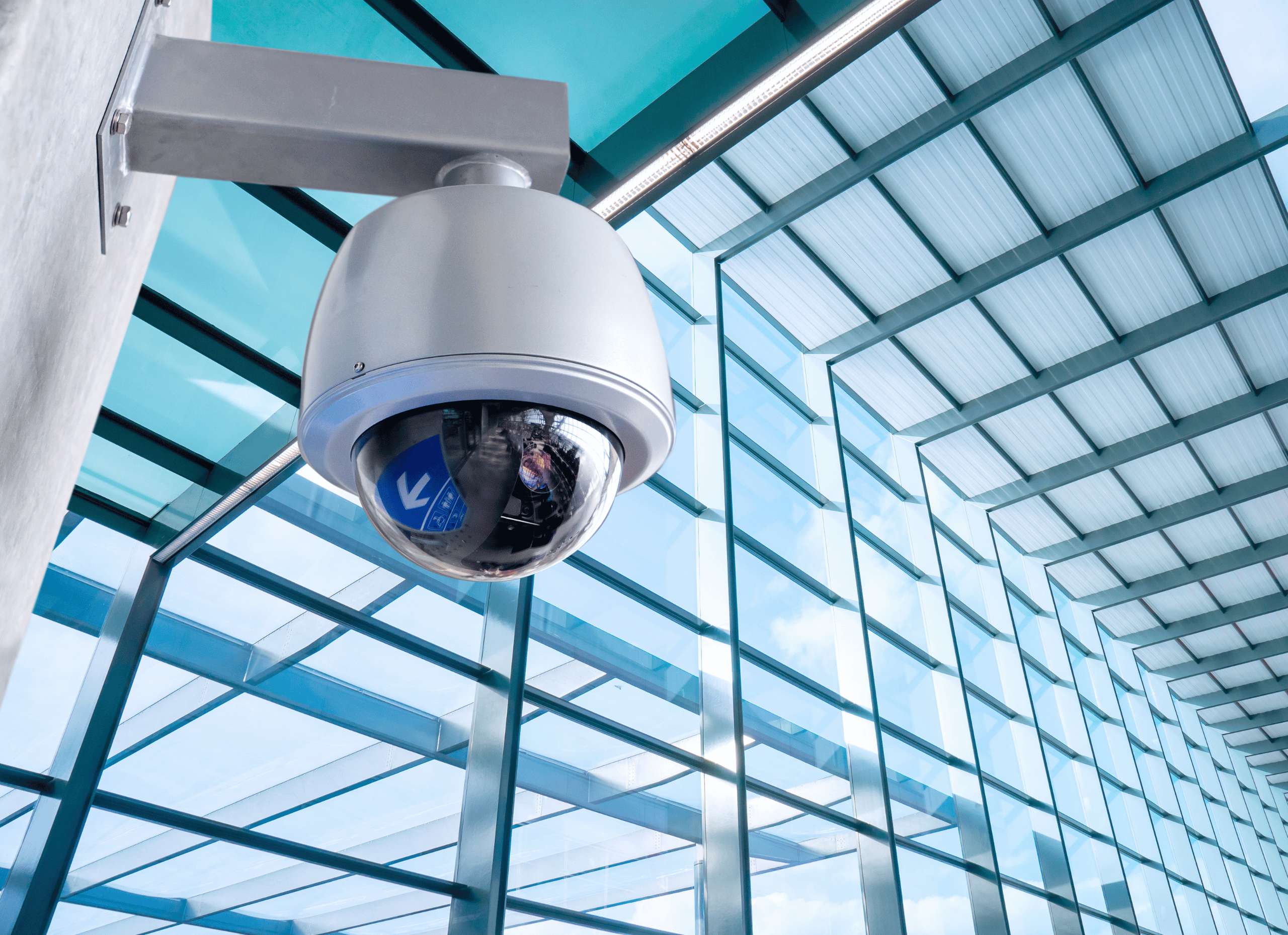
Active shooter incidents are high-impact events that require commercial real estate teams to prepare through thoughtful security planning and clear emergency procedures. Building owners and managers should conduct facility security assessments, identify sensitive or critical areas, and ensure access control, surveillance, signage, and communication protocols are aligned. Regular review of vulnerabilities and preparedness procedures can help your building teams support occupant safety and coordinate more effectively during an emergency.
Vehicle Ramming
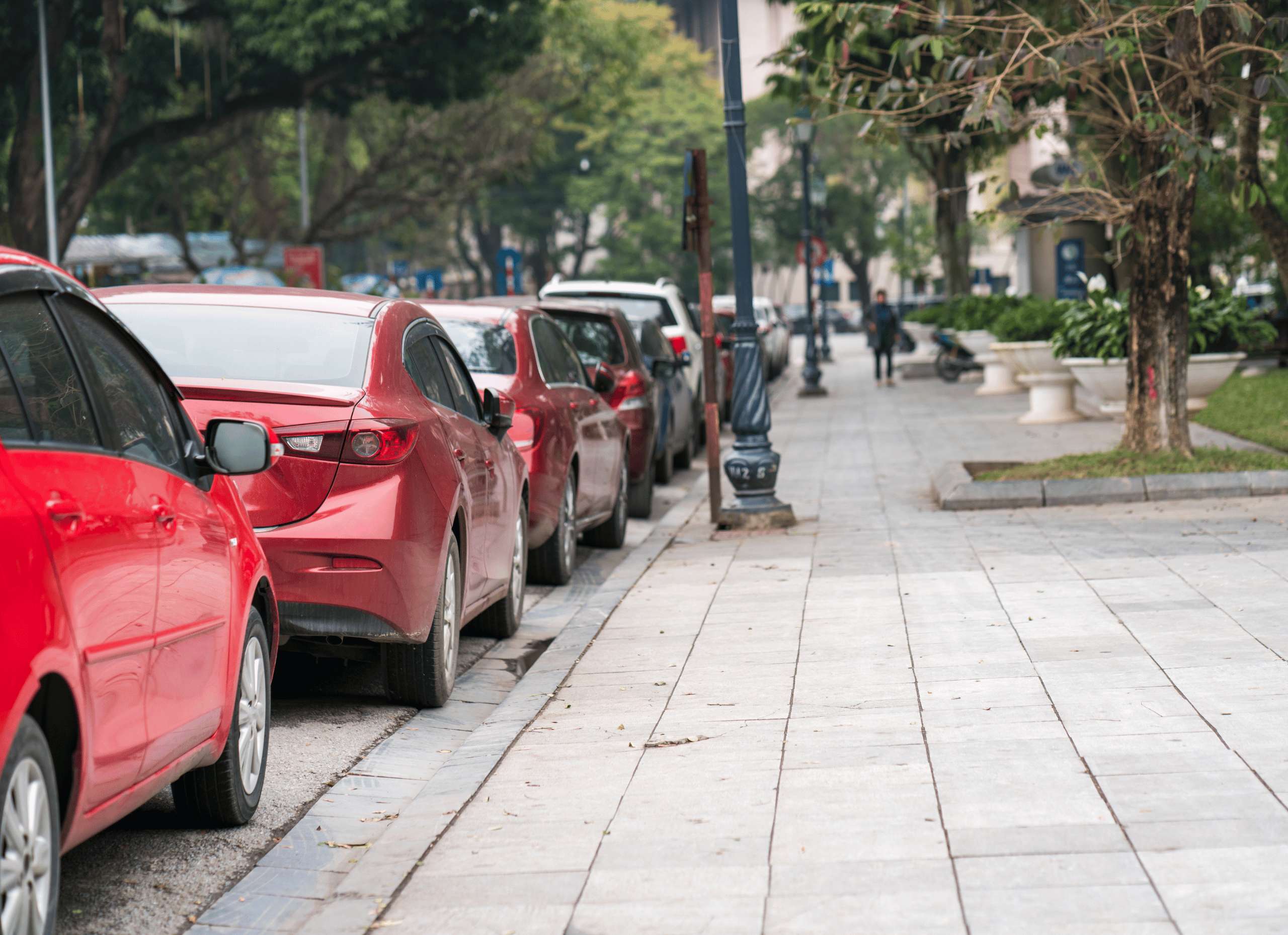
Vehicle ramming threats can create significant risks at commercial properties, especially near entrances, pedestrian areas, loading zones, parking facilities, or large gatherings. CRE professionals should evaluate traffic patterns, site access points, and areas where vehicles could pose a risk to occupants or visitors. Strategies such as credentialing, vehicle monitoring, and event-specific assessments to reduce vehicle speed can help improve site security and protect people on the property.
Protests
Protests and demonstrations near commercial properties can affect building access, tenant communications, security operations, and coordination with public agencies. Property teams should understand where private property ends and public space begins, establish lockdown and access procedures, and identify safe routes for tenants and visitors. Maintaining communication with law enforcement, security personnel, and tenants can help building owners and managers respond appropriately while supporting safety and continuity of operations.
Cyber Threats
Cyber threats are an increasingly important preparedness issue for commercial real estate as building systems, tenant services, access controls, and operational platforms become more connected. Property owners and managers should understand their cyber exposures, assign responsibilities across teams and vendors, and incorporate cybersecurity into broader emergency preparedness planning. Regular risk assessments, training, and evaluation of protective measures can help reduce vulnerabilities and strengthen operational resilience across the property.